
Dry fruits bring together familiar nuts and dried fruits, each with its own flavour, texture and nutritional profile. Knowing the difference helps you choose for everyday meals, gifting or wholesale.
What they bring to everyday eating
Nuts provide protein and other nutrients. Dried fruits can contribute fibre. Enjoy a variety of foods as part of a balanced diet, and check the ingredient list for added salt or sugar.
Almonds, cashews and walnuts
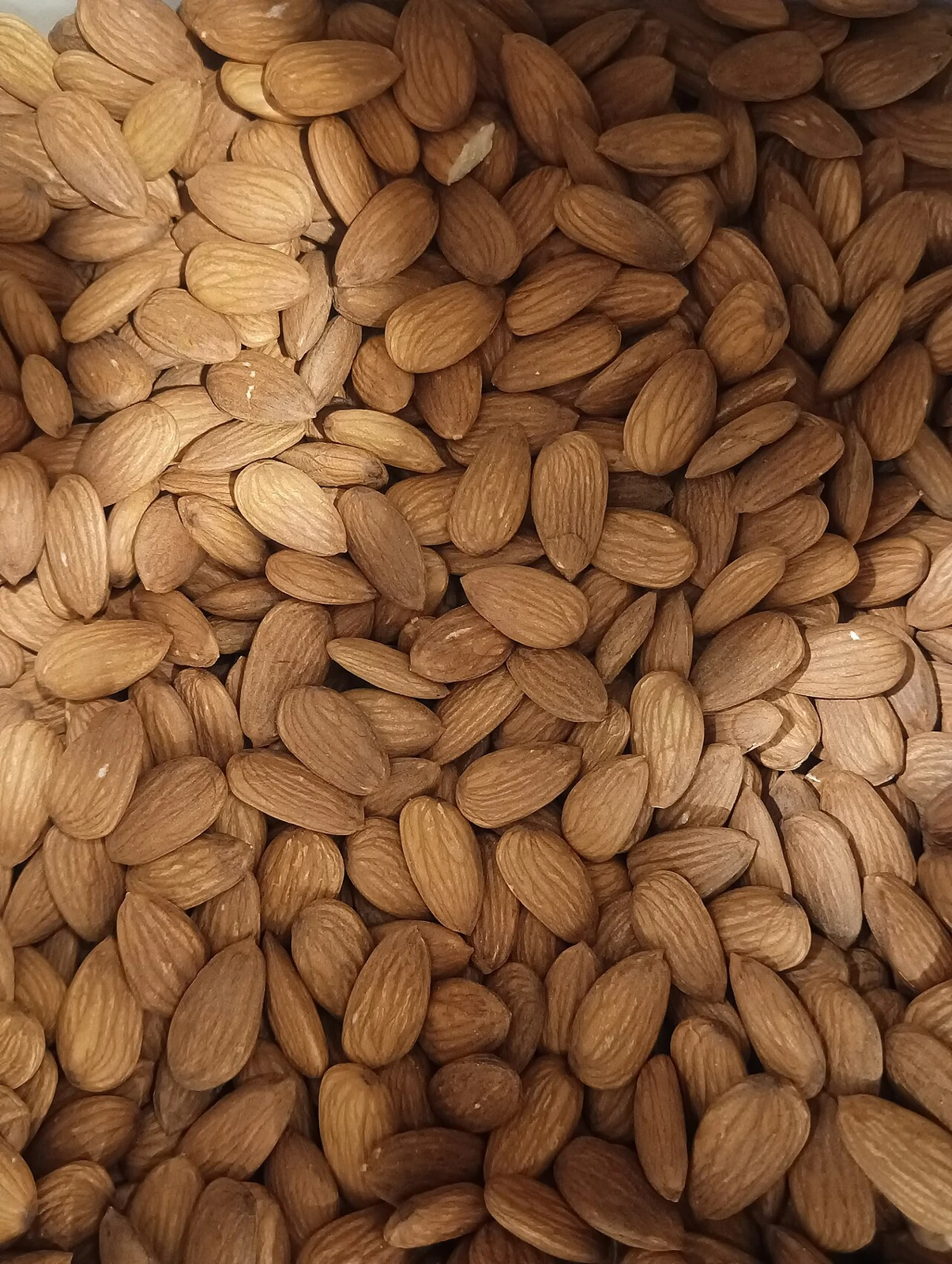
Almonds offer a firm bite and can be used whole, sliced or ground. Cashews have a softer texture that works in snacks and smooth pastes. Walnuts bring a pronounced flavour and an unmistakable shape to baking and breakfast bowls.
Pistachios, dates and raisins
Pistachios add colour and texture to sweet and savoury food. Dates vary from firmer to softer varieties and bring natural sweetness. Raisins are dried grapes with a chewy texture.
What premium quality means for your use
Compare the named variety, origin, size and appearance. Whole pieces may suit gifting and presentation; chopped or broken pieces can be appropriate for cooking. A larger piece is not automatically the right choice for every recipe.
Choosing for wholesale
Define the intended use before comparing products. Match the variety, grade, whole or broken pieces and pack format so that comparisons are meaningful. Explore our wholesale overview for retail, kitchen and gifting considerations.
Learn more
Read the NHS guide to a balanced vegetarian diet for nutrition context. Explore seeds and their uses for more variety. Check allergen information before choosing nuts or seeds.