
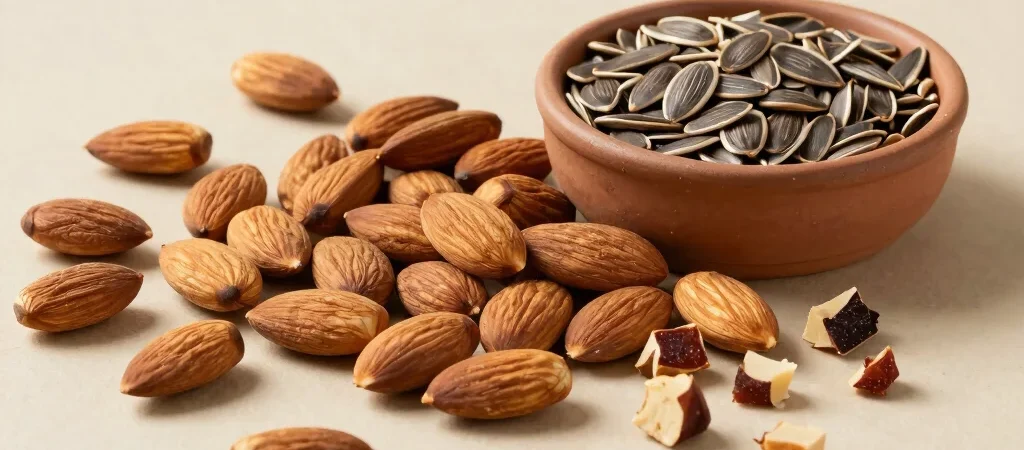
Two products can belong to the same broad category and still work differently in the kitchen. Before choosing a dry fruit or seed, check what the product is called and whether it is whole, sliced, chopped, or otherwise prepared.
Match the form to its use
Whole ingredients can be convenient for snacking or for recipes where you want a distinct bite. Smaller pieces are easier to scatter through porridge, baking, or a homemade mix, though the best choice depends on the texture and appearance you want.
Check the ingredient details
Read the ingredient list and any preparation or storage information provided on the package. If a description does not say whether a product includes added ingredients, has a particular origin, or has been prepared in a certain way, do not assume those details.
Look for useful clarity
A helpful product description names the ingredient plainly and explains only what can be verified. Details such as form, listed ingredients, and storage guidance are more useful for making a decision than broad claims that do not tell you what is in the pack.
Think about your intended use, then compare the product information with that purpose. When a detail matters and is not provided, check the package or ask the brand instead of filling in the gap yourself.